
Living on Oahu means trade winds, ocean views, and beach days, and it also means your car is breathing salty air every hour of the day. That air carries fine particles of salt that settle on paint, creep into seams, and cling to metal parts you rarely see. Add warm temperatures, high humidity, frequent rain showers, and strong tropical sun, and you have conditions that quietly wear down a vehicle faster than most mainland drivers would expect. The good news is that a handful of steady habits make a real difference. This guide shares practical car care tips for Honolulu drivers, explains what salt air does to your car, and covers rust prevention in Hawaii so your vehicle holds up for years.
What Salt Air Actually Does to a Car
Metal rusts when it meets oxygen and moisture, and salt speeds the reaction up. Saltwater is a much better conductor than fresh water, so even a thin, damp film of salt on a bare steel surface allows corrosion to spread quickly. In Honolulu, the combination of ocean spray, humid air, and daily temperature swings keeps surfaces damp for long stretches. Rust usually begins where protection is broken, such as a rock chip, a scratch, a worn seal, or an edge that was never painted well. From there it can creep under the paint, where it is harder to see and much harder to fix. Our article on why cars corrode faster on Oahu than the mainland goes deeper into the island conditions behind this, and this guide focuses on what you can do about it.
The Parts of Your Car Most at Risk
Salt does not only attack the visible body. Some of the most important damage happens out of sight:
- The underbody, frame, and floor pans
- Brake lines, fuel lines, and exhaust components
- Brake rotors, calipers, and suspension hardware
- Wheel wells, fender edges, and door bottoms
- Battery terminals, cables, and electrical connectors
- Trunk and hood seams, and the area around the windshield
- Any spot where paint has been chipped, scratched, or poorly repaired
Corrosion on brake lines, fuel lines, or structural parts is a safety issue, not just an appearance problem, so these areas deserve a look from time to time.
Tip One: Rinse Off the Salt Often
Regular washing is the simplest and most effective protection. Salt that sits on the paint keeps working, so the goal is to remove it before it does damage. If you live near the water or drive along the coast often, rinsing every week or two is a sensible habit, and a quick rinse after a beach trip or a drive through spray is even better. Use a gentle car soap and a soft wash mitt, and avoid washing in direct midday sun, which dries soap and leaves spots. Rinse the car with plenty of water before you touch it with a mitt, so you are not dragging salt crystals across the paint.
Tip Two: Do Not Forget the Underside
The underbody collects salt, sand, and moisture and rarely gets cleaned. Many car washes offer an undercarriage spray, and you can also flush the wheel wells and underside with a hose using a suitable nozzle. Pay extra attention to the areas behind the wheels, along the frame rails, and around the suspension. A few minutes of flushing now and then can slow corrosion in places you cannot easily inspect.
Tip Three: Dry the Car and Clear the Drains
Water trapped in seams and crevices is a common starting point for rust. After washing, dry the car with a clean microfiber towel and open the doors, trunk, and hood so the edges can air out. Most doors and rocker panels have small drain holes at the bottom, and leaves or dirt can clog them. Keep them clear so water can escape instead of sitting inside the panel. The sunroof drains and the cowl area below the windshield deserve the same attention, since blocked drains can lead to leaks and damp carpets.
Tip Four: Wax or Seal the Paint
A good coat of wax, sealant, or ceramic coating adds a barrier between the paint and the salty air. Strong sun breaks these products down faster, so a car that is parked outside in Honolulu may need protection reapplied more often than a garaged one. Apply products to a clean, cool surface and follow the directions on the label. Protection also helps the paint resist ultraviolet damage, which can fade and chalk the finish over time.
Tip Five: Fix Chips and Scratches Early
A tiny chip that exposes bare metal is an open invitation for rust. Clean the spot, apply matching touch up paint, and seal it with clear coat if the product calls for it. Doing this promptly keeps moisture from creeping under the surrounding paint. If you see bubbling, flaking, or orange stains, the rust has probably already started, and it is better to have it treated before it spreads. Light surface rust can often be sanded, treated, and repainted, while rust that has eaten through the metal usually needs a body shop.
Tip Six: Park Smart
Where you park matters on an island. A garage or covered parking protects against sun, rain, and some wind driven salt. If you must park outside, try to avoid spots that face directly into ocean spray, and be careful about parking under trees that drip sap or hold moisture against the paint. A breathable car cover can help, but never cover a wet or dirty car, since trapped moisture and grit can damage the finish and encourage rust.
Tip Seven: Protect the Battery and Electrical Connections
Salt air is hard on electrical parts. Battery terminals can grow a white, blue, or green crust that weakens the connection and leads to slow starts or a car that will not start at all. Look at the terminals from time to time, and have them cleaned and protected if you see buildup. Connectors, grounds, and fuse boxes can also corrode in humid conditions, causing odd electrical problems. If your car struggles to start, our guide to the top 10 reasons your car won’t start and how to get back on the road explains the common causes, and corrosion is one of them.
Tip Eight: Watch the Brakes
Brake rotors are bare metal, and in humid, salty conditions they can develop a thin film of surface rust overnight. A light layer usually wears off after a few stops, and that is normal. A car that sits unused for long periods can develop heavier rust on the rotors and stuck calipers, which can cause noise, vibration, or uneven wear. If you notice grinding, pulling, or a burning smell, have the brakes inspected. It is also wise to have brake lines and hoses checked for corrosion at least once a year.
Tip Nine: Keep the Interior Dry
Rust can begin inside the car too. Wet towels, damp floor mats, and leaking seals trap moisture against the floor pans, where corrosion can go unnoticed. After beach days, shake out the sand and let the floor mats dry in the sun. Dry up spills quickly and check the door seals, windshield, and trunk for leaks. A musty smell that will not go away is a sign that moisture is hiding somewhere. Running the air conditioning regularly also helps dry the cabin air.
Tip Ten: Consider Protective Coatings Carefully
Underbody coatings and corrosion inhibitors are widely sold for coastal vehicles, but their value depends on the product and on the application. Spraying a coating over existing rust, or trapping moisture beneath it, can make the problem worse. Ask a trusted technician which approach suits your vehicle, and make sure the surface is properly cleaned and prepared first.
Tip Eleven: Schedule Regular Inspections
A technician can lift the car and look at the underbody, brake lines, fuel lines, exhaust, and suspension, then tell you what is starting to corrode. Catching surface rust early lets you treat it before it eats into the metal. An annual inspection is a good rule of thumb, and more often is reasonable if you live right near the water or park outside.
Can a Mobile Mechanic Help With Rust Prevention?
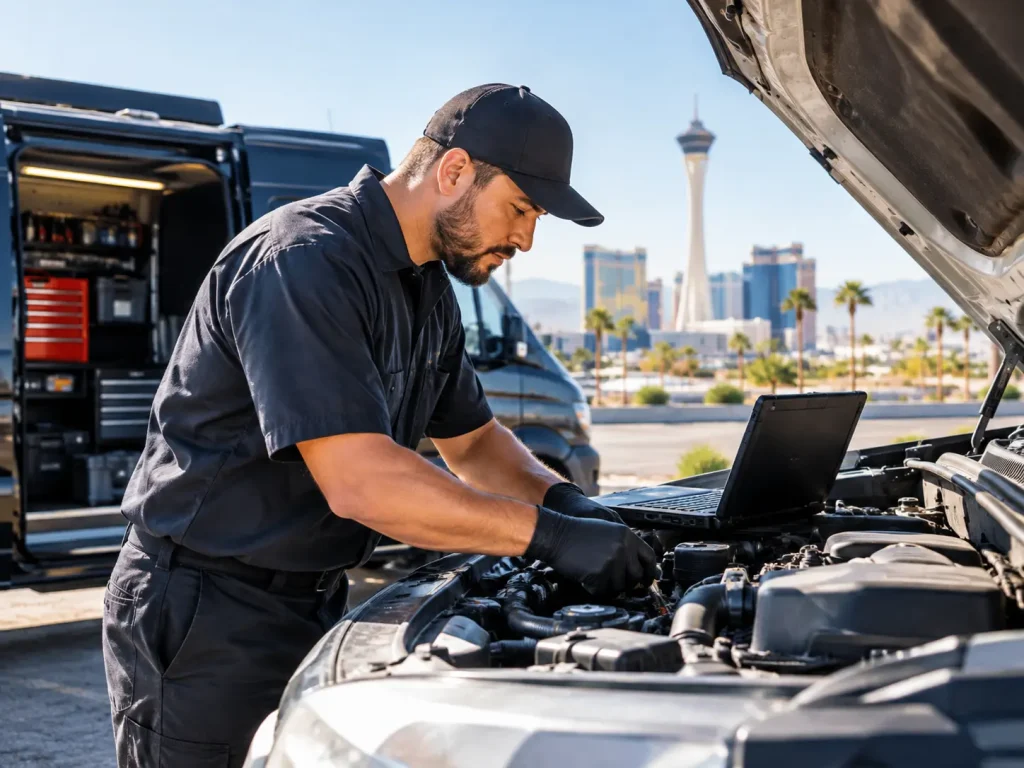
Yes, to a point. A mobile mechanic can come to your home or workplace in the Honolulu area to inspect the underbody, brake lines, battery terminals, and suspension parts, clean and protect electrical connections, and replace worn or corroded mechanical components such as brake parts. Body repair, rust removal on panels, and repainting are generally handled by a body shop, and a trustworthy technician will tell you honestly when a job falls outside what can be done on site. When you book, mention any rust spots, noises, or starting trouble you have noticed so the technician knows where to look.
Small Habits That Keep Paradise From Rusting Your Car
Salt air is part of island life, but it does not have to ruin your car. Rinse often, dry thoroughly, protect the paint, fix chips early, and have someone look underneath once in a while. Those simple steps cost far less than the repairs and lost resale value that rust can bring.
To learn more about our services, visit our homepage. If you would like your car inspected for corrosion, reach out through our contact us page and we will come to you anywhere in the Honolulu area.